
I have never been very good at caring for the few house plants I have! Recently I have dedicated more time to learning about caring for them which has included re-potting them into new compost specific to house plants, feeding, watering and dusting their leaves on a more regular and structured basis.

If you like to have plants in your house, as they offer lots of health benefits, but worry you can’t care for them and you think you will immediately kill them, then read on for some easy tips on house plant care; plus my pick of 5 plants to choose to have in your house.
Care Tips
- When you buy the plant, keep the label as it will tell you how often to water it, what type of light it prefers and often some other important, useful information.
- Water regularly, but don’t over water which is an easy way to help kill your plant. If you saturate the roots they cannot absorb oxygen. You can either water with a watering can or by placing the plant in it’s plastic pot into a sink with about 6 inches of water in it. Allow the compost to absorb water until the top surface is slightly damp, lift to let excess water to drain before placing in it’s display pot.
- Feed with a liquid plant food every 1-3 months as the nutrients in the planting compost will deplete over time.
- Dust the leaves of the plants regularly. You can wipe with a soft cloth or clean with cool water and cotton wool. If a thick layer of dust builds up on the plants leaves it reduces the amount of light the plant gets.
- Remove any dead or browning leaves to keep the plant looking nice.
- Mist with water, they like to have a bit of humidity around them.
My Best 5 House Plants
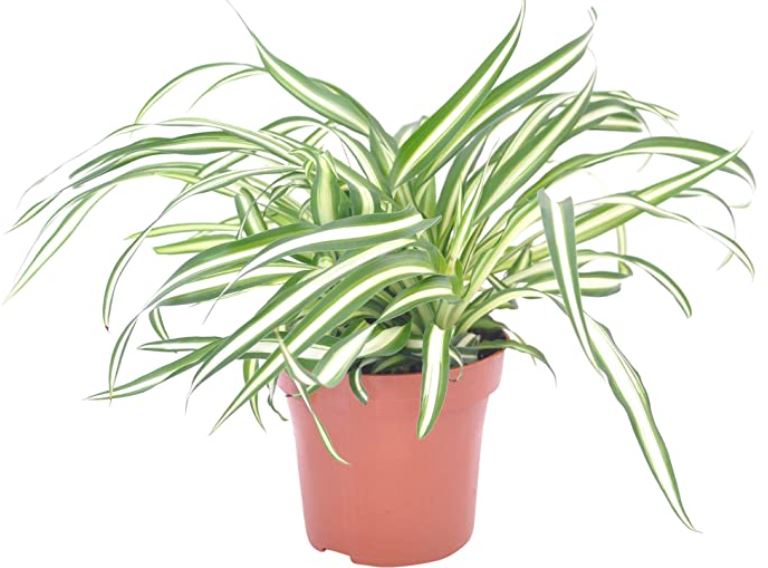
Spider Plant 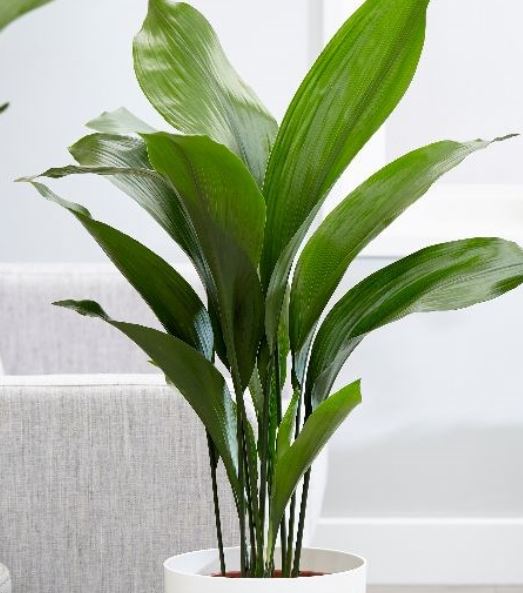
Aspidistras 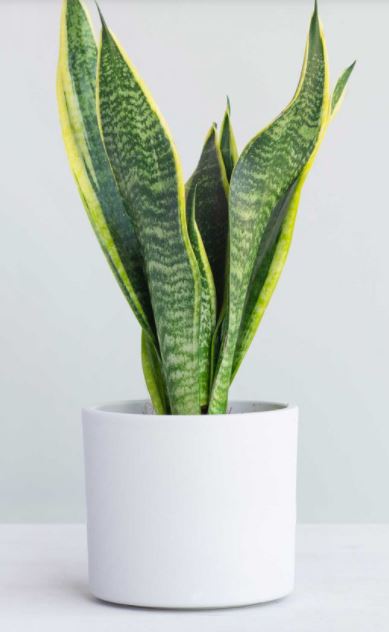
Snake Plant 
Cape Primrose 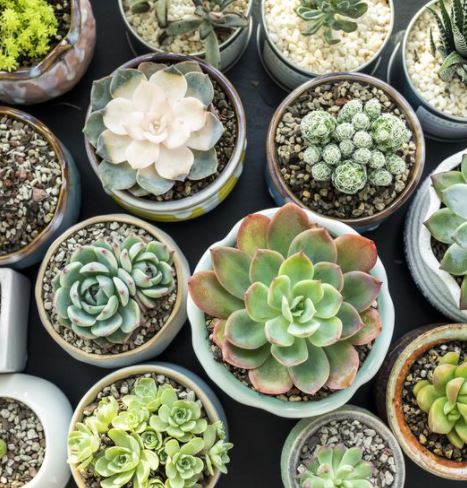
Succulents
- Spider Plants (Chlorophytum) – A classic house plant which is easy to grow, looks great tumbling from any shelf or windowsill.
- Aspidistras – A cast iron plant to grow with great green foliage.
- Snake Plant (Sansevieria) – has upright, sward shaped leaves with a light boarder, great for bright locations out of direct sunlight.
- Streptocarpus or the Cape Primrose is a lovely plant to have, they come in many colours and flower from spring to autumn.
- Succulents & Cacti – they are easy and low maintenance, they come in a great range of shapes, sizes and colours and you can create a really nice display with a number grouped together.
You can also check out this link to Gardeners World list of 25 of the Best Indoor Plants.
Having plants in your house is really beneficial for many reasons. Plants take in Carbon Dioxide, which is what humans breath out, as part of their photosynthesis process and emit oxygen into the atmosphere. The plants also transpire, via pores in their leaves (stomata) which emits water vapour so it can increase humidity in your home.
Some plants help to remove harmful gaseous pollutants like ammonia, ethylalcohol, acetone and various bio-effluents from the air. Examples are: Areca, the dwarf date plant, bamboo plants and the peace lily (Spathiphyllum).
It is also nice to have some greenery and colour in a house year-round. It can be great to care for a few plants, even if it is just for a few minutes a day or week, take a short break from work to enjoy your house plants and look after them; it work’s wonders for your mental health. If you have children get them interested in the plants, get them to help if they need re-potting or create a display of succulents with them.
It’s important that you consider a couple of other things for your plants, which affect where you will position them in the house. The first one is temperature, most house plants require warm (ish) temperatures, for best survival. Protect plants by not placing them in droughts or where they will be susceptible to wide fluctuations in temperatures. Windowsills can be handy and an obvious location to place them but they can be droughty, gets lots of sun during the day then be cold at night. Plants are also best not placed on a shelf above any radiators/heaters.
The other important factor is light. Most plants thrive in bright, filtered sunlight or in a well-lit position but not in direct sunlight. Insufficient light can result in stunted new leaves and growth with long, thin weak stems. Plants may need moving in the winter as usually plants will require 12-14 hours of daylight per day, which is hard in winter!
I hope that these easy tips can help you look after any existing plants you have, or encourage you to go out and buy some house plants to have in your house and enjoy caring for them.
 The Alpine Gardener