Growing Rhubarb

Rhubarb Rheum x cultorum a favourite for people to grow in their gardens for culinary use.  If you have never grown rhubarb before and want to start you can grow it from seed, it’s best to sow the seed in spring about 2.5cm deep in rows 30cm apart and then plant out the strongest ones in their permanent position in autumn or possibly the spring the following year. 
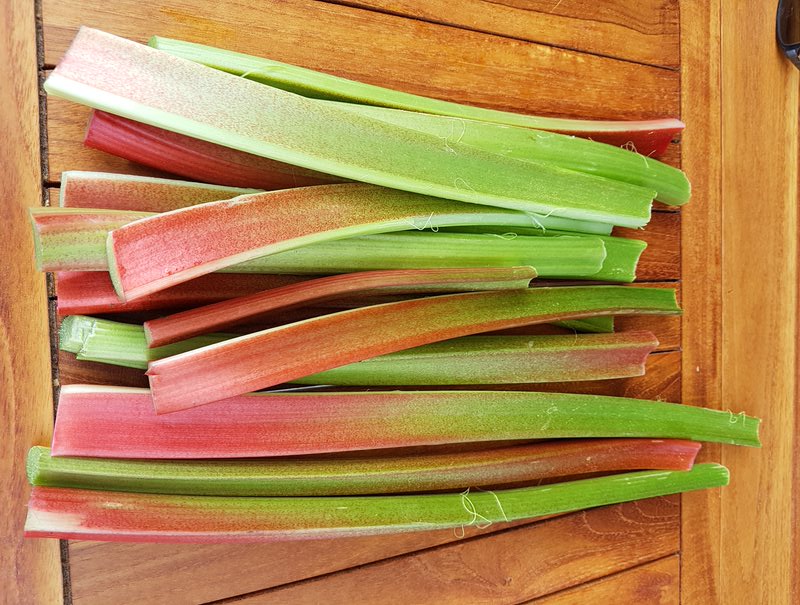
Homegrown Rhubarb

Often rhubarb is grown from a ‘set’ which consists of a fleshy rootstock and at least 1 bud, these are probably found in the garden centre in spring and autumn.  Or you can ask a friend with a healthy plant that is at least 3-4 years old to separate a bud and some root for you to have to plant.   Ideally, you should plant the set in the autumn, the dormant season, then leave it to grow the first year without picking any stems.  In the second year you can pick a few but don’t go crazy and pick lots!  It’s best to wait at least 3 years before you regularly pick the stems.  When you have a set to plant dig into the ground plenty of well-rotted manure or organic matter/garden compost before you plant.  It may also be a good idea to protect the plant from slugs with either a copper slug ring or some slug traps. 

Stems are usually ready to harvest in spring and early summer.  The best way to harvest is to pull each stem firmly from the base, giving it a slight twist as you do so;  this is better than cutting the stems off the plant.  It is also better to cut the leaves off the stems outside and compost them, they are not edible as they contain a high level of oxalic acid and will give you mild poisoning if you eat them. If you see a flower head sprouting then cut this off to avoid the plant going to seed and not producing more stems. 

You should routinely cultivate the plant(s) by mulching them with a good dressing of manure or compost every autumn and spring, you can also give them a liquid feed in spring. 

There are so many delicious ways to use rhubarb in the kitchen, some of my favourites are to roast it in the oven with some honey, ground ginger, cinnamon and a couple of cardamom pods then have it on yoghurt for breakfast or a cheeky lunchtime dessert. 

Rhubarb & Strawberry Tart

I absolutely adore my collection of River Cottage Handbooks by various authors introduced by Hugh Fearnley-Whittingstall.  In No.9 Fruit there is an amazing recipe for Rhubarb and Strawberry Tart, which is a must to try.  Spring Rhubarb Relish from the Preserves Handbook is also a great way to use rhubarb and lovely to serve with cheese. 
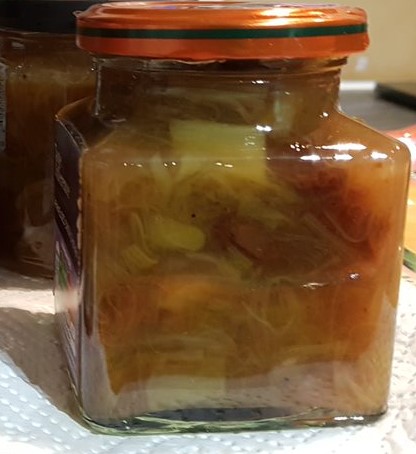
Rhubarb Relish

You can also make rhubarb gin, ideally you want the nice early pink stems so they make the gin go a lovely pinky colour.  Simple to make and delicious to drink!

Don’t forget you can cook and freeze rhubarb if you can’t eat it all, I often roast then freeze batches if it to take out and enjoy through the winter. 
Spring is in the Air

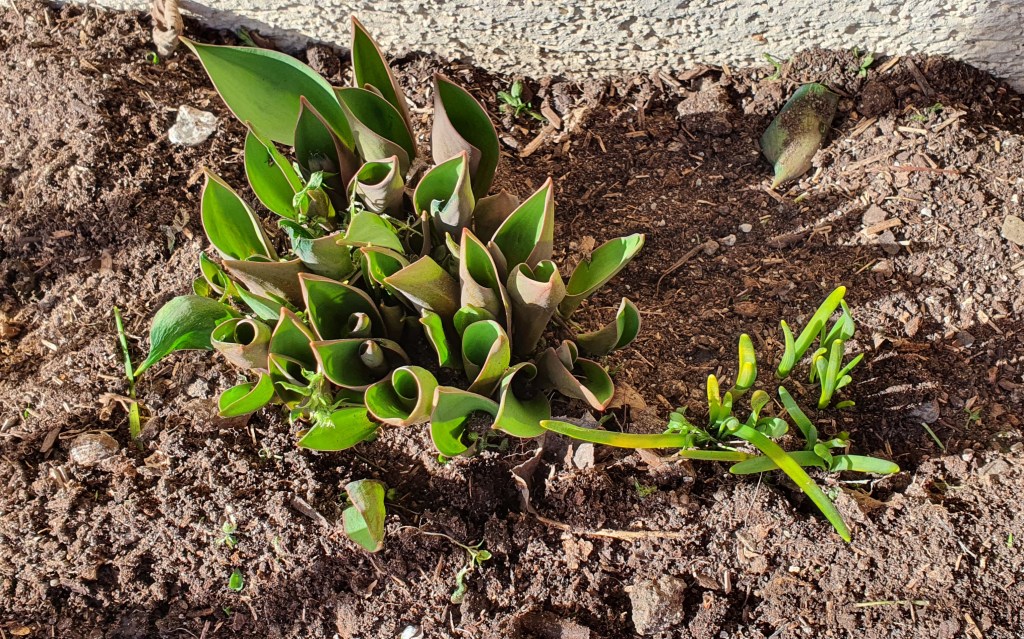
Spring is in the air here in the French Alps, some unseasonably warm weather is with us and temperatures have risen to 15 – 18 degrees Celsius in the valley.  The snow is melting fast and spring bulbs are poking their heads up in my flower beds already, along with the primroses peeking through.

Tulips and Daffodils poking up through the soil.

I spent a little bit of time planning what I want to grow in my vegetable garden this year.  We have quite a short growing season here, although it is warming up now at the end of February, it can still frost and snow low down at any time right up until mid-May.  At least half of my garden, including the vegetable garden still has snow lying on it so I can’t get too excited yet about planting much.  The soil is cold and the days still short but there is hope and some seeds can be sown for planting out in warmer days to come.

I don’t have a big vegetable garden, but I usually manage to grow quite a number of different things.  With a bit of planning and growing just a small amount of several crops, which give us plenty of variety and choice over the course of the summer.  We now have a greenhouse which is amazing, so more space to bring seeds and seedlings on in a warmer environment in early spring as well as to plant things such as tomatoes and cucumbers that love the warm sunny environment. 

Scribbled on a piece of paper to aim to grow this year is:

  • Sweet Peas
  • Courgettes – green & yellow
  • Peas & sugar snaps
  • French Beans
  • Spinach
  • Lettuce of various kinds
  • Tomatoes
  • Early broccoli
  • Beetroot
  • Radishes
  • Broad Beans
  • Cucumbers
  • Leeks

Today I could not resist and started to sow some seeds, one of my most favourite jobs as it’s always so exciting to plant these tiny seeds and await their germination before they grown into plants that will then provide food for my family. 

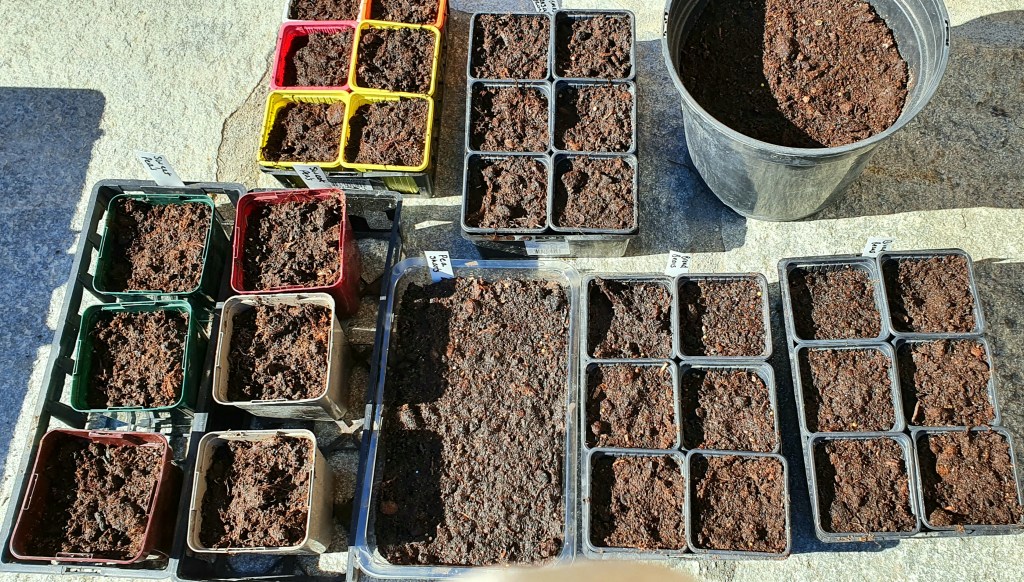
Today I sowed the broad bean seeds, pea shoots as a quick grow salad crop and then some flower seeds to add into my beds in late spring.  These were Cosmos (Brightness Mix & Sensation Geant),  Coleus (Rainbow Mix) which is a great for pots on patios or even as houseplants and some sweet pea seeds (Fragrant Tumbler). 

Seeds Sown Today.

I will wait a few weeks before sowing anything else, next of the list will be some tomato seeds and lettuce.  I try to grow a succession of lettuce, so we always have a good amount to choose from all summer long as well as some quick grow salad crops like rocket and cress (which my daughter enjoys sowing on kitchen roll and watching grow). 

Follow me on Instagram to keep up to date with the progress of my garden and seeds.

House Plant Care

I have never been very good at caring for the few house plants I have! Recently I have dedicated more time to learning about caring for them which has included re-potting them into new compost specific to house plants, feeding, watering and dusting their leaves on a more regular and structured basis.

If you like to have plants in your house, as they offer lots of health benefits, but worry you can’t care for them and you think you will immediately kill them, then read on for some easy tips on house plant care; plus my pick of 5 plants to choose to have in your house.

Care Tips

  1. When you buy the plant, keep the label as it will tell you how often to water it, what type of light it prefers and often some other important, useful information.
  2. Water regularly, but don’t over water which is an easy way to help kill your plant. If you saturate the roots they cannot absorb oxygen. You can either water with a watering can or by placing the plant in it’s plastic pot into a sink with about 6 inches of water in it. Allow the compost to absorb water until the top surface is slightly damp, lift to let excess water to drain before placing in it’s display pot.
  3. Feed with a liquid plant food every 1-3 months as the nutrients in the planting compost will deplete over time.
  4. Dust the leaves of the plants regularly. You can wipe with a soft cloth or clean with cool water and cotton wool. If a thick layer of dust builds up on the plants leaves it reduces the amount of light the plant gets.
  5. Remove any dead or browning leaves to keep the plant looking nice.
  6. Mist with water, they like to have a bit of humidity around them.

My Best 5 House Plants

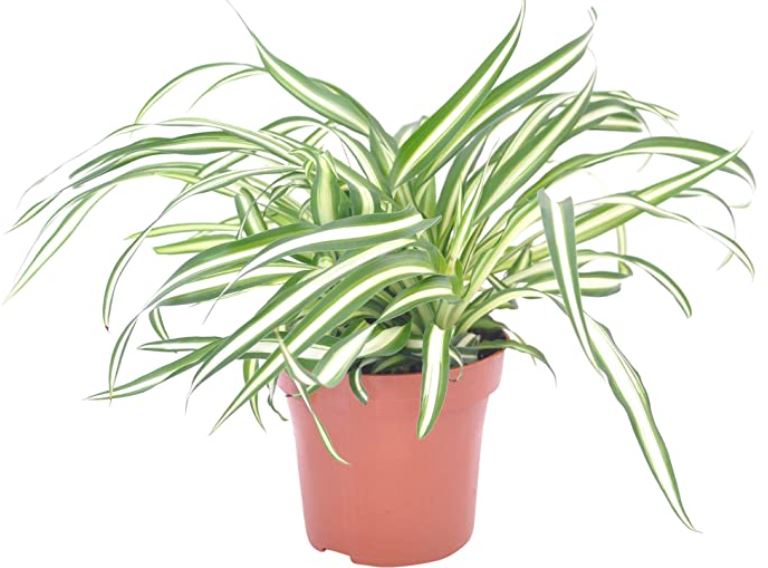
  1. Spider Plants (Chlorophytum) – A classic house plant which is easy to grow, looks great tumbling from any shelf or windowsill.
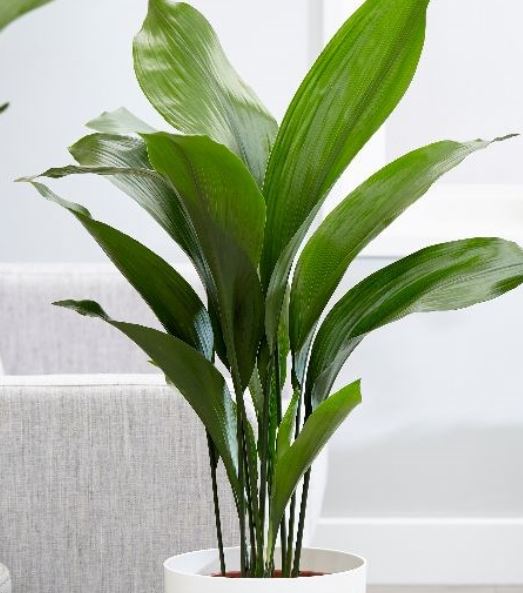
  2. Aspidistras – A cast iron plant to grow with great green foliage.
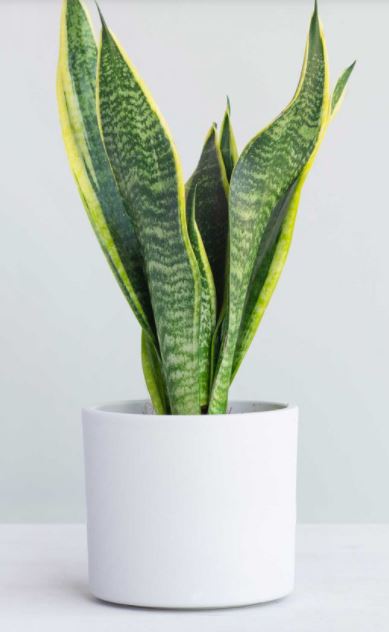
  3. Snake Plant (Sansevieria) – has upright, sward shaped leaves with a light boarder, great for bright locations out of direct sunlight.
  4. Streptocarpus or the Cape Primrose is a lovely plant to have, they come in many colours and flower from spring to autumn.
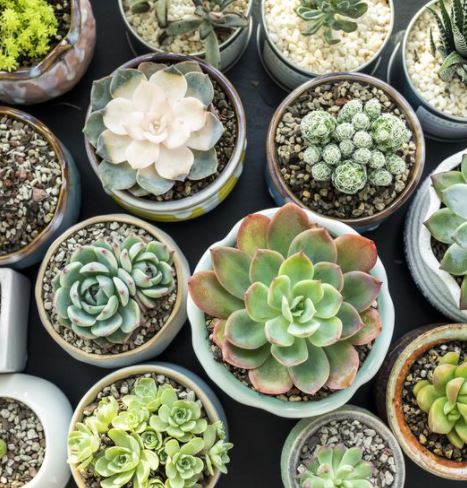
  5. Succulents & Cacti – they are easy and low maintenance, they come in a great range of shapes, sizes and colours and you can create a really nice display with a number grouped together.

You can also check out this link to Gardeners World list of 25 of the Best Indoor Plants.

Having plants in your house is really beneficial for many reasons. Plants take in Carbon Dioxide, which is what humans breath out, as part of their photosynthesis process and emit oxygen into the atmosphere. The plants also transpire, via pores in their leaves (stomata) which emits water vapour so it can increase humidity in your home.

Some plants help to remove harmful gaseous pollutants like ammonia, ethylalcohol, acetone and various bio-effluents from the air. Examples are: Areca, the dwarf date plant, bamboo plants and the peace lily (Spathiphyllum).

It is also nice to have some greenery and colour in a house year-round. It can be great to care for a few plants, even if it is just for a few minutes a day or week, take a short break from work to enjoy your house plants and look after them; it work’s wonders for your mental health. If you have children get them interested in the plants, get them to help if they need re-potting or create a display of succulents with them.

It’s important that you consider a couple of other things for your plants, which affect where you will position them in the house. The first one is temperature, most house plants require warm (ish) temperatures, for best survival. Protect plants by not placing them in droughts or where they will be susceptible to wide fluctuations in temperatures. Windowsills can be handy and an obvious location to place them but they can be droughty, gets lots of sun during the day then be cold at night. Plants are also best not placed on a shelf above any radiators/heaters.

The other important factor is light. Most plants thrive in bright, filtered sunlight or in a well-lit position but not in direct sunlight. Insufficient light can result in stunted new leaves and growth with long, thin weak stems. Plants may need moving in the winter as usually plants will require 12-14 hours of daylight per day, which is hard in winter!

I hope that these easy tips can help you look after any existing plants you have, or encourage you to go out and buy some house plants to have in your house and enjoy caring for them.

A Store Cupboard for the Year

One thing I love about having a bigger garden and growing my own food is not only being able to cook and enjoy eating the produce but also to be able to make jams, chutneys, tisanes (herbal teas) and other things that I can store away to enjoy all through the year.

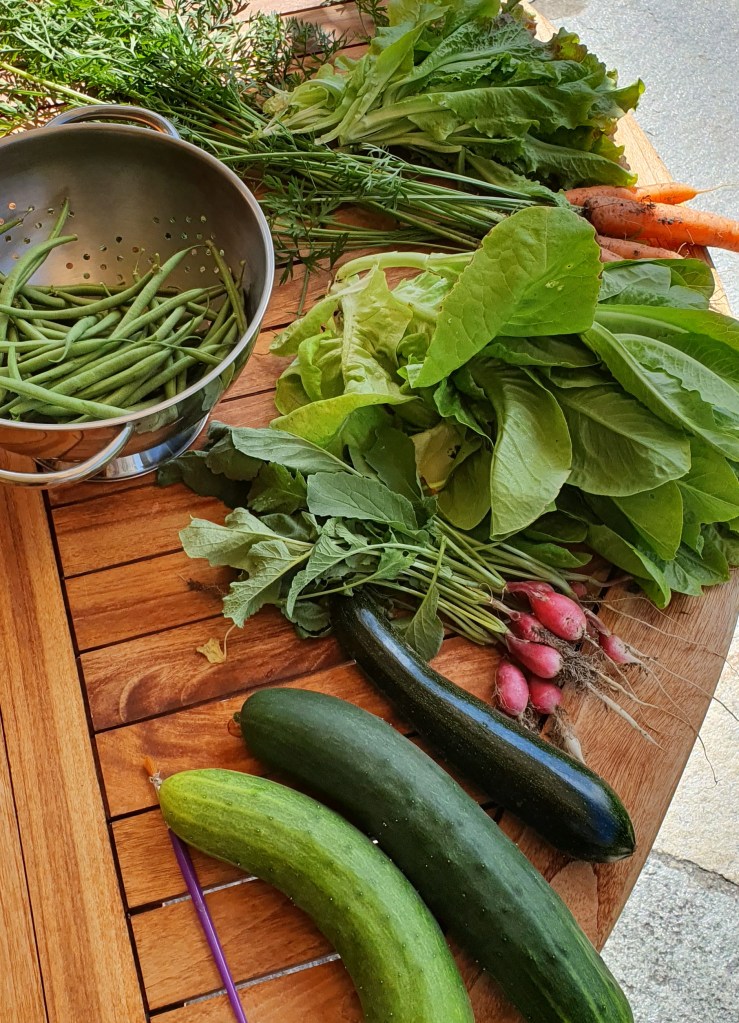
A good haul from the garden this summer

When I end up with too much vegetable and fruit to eat and I can’t give it away quick enough, I have started to fill my freezer with the excess. Things like runner beans, French beans, courgettes, tomatoes and raspberries all freeze really well and can be taken out and enjoyed through the winter.

For courgettes I just chop them into chunks and freeze in freezer bags, they are only really good for soup once de-frosted as they do go very watery. For any type of beans it’s best to blanche them lightly in boiling water, plunge them into ice cold water so they stay nice and green, dry well on kitchen towel before freezing. I always try to lay them out on a tray to freeze first so they don’t freeze in a big lump, then move into freezer bags.

Fresh fruit like raspberries, blackcurrants, redcurrants all freeze well. After giving them a rinse under the tap I lay the freshly picked fruit on a tray outside, not in direct sunlight and allow them to dry any bugs to crawl off. I then place them on a tray, in a single layer and freeze, so they basically freeze individually. I then move them into freezer bags.

If you want to freeze excess tomatoes then I usually roast them in the oven with lots of sliced onion, garlic and fresh herbs. Allow them to cool, you can blend them into a coulis aswell, then freeze. They make delicious tomato soup or sauce when de-frosted and used.

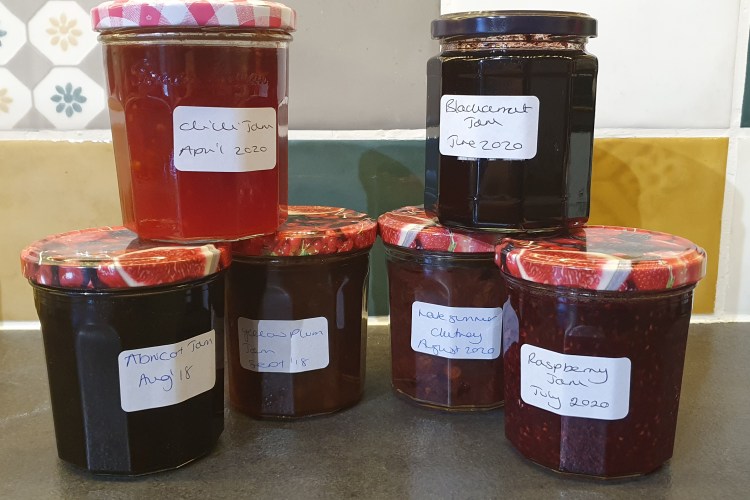
I have really enjoyed making jams and chutneys over the last few years, my go-to books have been the wonderful collection of River Cottage Handbooks I was gifted some years ago. The Preserves book No.2 by Pam Corbin is an excellent book to learn from and try some of her many wonderful and inspiring recipes.

The blackcurrants I grow and any excess raspberries are made into jam and stored away for use all year. Around where I live, although in the French Alps the lower woodland and small fields are full of old fruit trees. Many variety of crab apples, eating apples, plum and cherry can be found and I am becoming a good scrumper of the late summer and autumn fruit that otherwise falls to waist in the fields!! It is made into wonderful jams and chutney’s eaten with cheese and other meals.

Before the frosts and the snow arrived this winter I have picked and kept some of my lemon verbena and also some rosemary. The rosemary is great for cooking but also I love it in a homemade herbal tea along with some lemon verbena leaves. I have moved my mint and lemon balm pots into the garage for the winter. I love a lemon balm leaf or 2 in a tisane especially at night as it promotes good sleep. I store mine in brown paper bags but jam jars are a good option too.

A condiment I like to make regularly is a herb salt, it’s easy to make and really delicious to use as seasoning on food. I try to buy good quality salt in flakes like a Fleur de Sel from the Camargue and then a pick a mixture of herbs from my garden. This can be rosemary, thyme, sage, oregano, marjoram, mint, chives, parsley…. You can use almost any herb, use whatever you have growing. Grind it up in a pestle and mortar until the herbs are well broken up into small pieces and the salt now in fine grains. Sometimes I add some peppercorns for an all round seasoning.

The History of the Christmas Tree

Last week we brought and put up our Christmas tree in our home, my daughters favorite thing! It got me thinking that I actually didn’t know the history of the Christmas tree and why we bring an evergreen tree into our homes at Christmas. I did a little bit of research.

Our 2020 tree

As we know a Christmas tree is usually an evergreen conifer that we decorate at Christmas, they are generally spruce, like a Norway Spruce (Picea abies); a fir like the Nordman Fir (Abies nordmanniana) or possible the Colorado Spruce (Picea pungens) with it’s beautiful blue hue to its needles.

If, like me until now, you don’t know your spruce (Picea) from your pine (Abies) then the easy way to tell the 2 species apart is that the cones on a spruce hang down and the cones on a pine stick up like candles on a tree!

Christmas Trees at the Garden Center

The tradition of the Christmas tree was developed in medieval Livonia (now Estonia & Latvia) and also in early modern Germany where German Protestant Christians brought decorated trees into their homes. Trees would have been decorated with flowers (roses) made of coloured paper, apples, tinsel and sweetmeats and candels. With the invention of electricity, Christmas lights on a tree began to be used.

Today, we have a huge variety of decorations for a tree available to us, with a star often placed on the top of the tree to represent the Angel Gabriel or the Star of Bethlehem. The Christmas tree is very much part of Christian faith when one is put up at the start of advent and removed, along with all the Christmas decorations on Twelfth Night. The Catholic Church long resisted the custom of the Christmas tree and it was not until 1982 that one stood in the Vatican.

To keep your tree looking good until Twelfth Night, here are some tips to keep it looking good:

  • If you buy a cut tree, by that I mean one without roots, then buy a good tree holder with a reservoir and put some water in it, keep it well topped up throughout the Christmas period. This will help to stop it dropping it needles.
  • Do NOT place your tree close to a radiator, it will respond by shedding it’s needles. They like to be kept as cool as possible after all they are adapted to living outside in harsh, cold winter conditions, a warm living room is not where it would ideally grow.
  • If you have a garden you can plant one in after it’s done indoors then buy a tree with roots. Pot it into as large a container as you can and fill it with compost and a sharp sand mixture. Keep it lightly watered and then plant outside in your garden.
  • Once your cut tree has been taken down then take it back to the garden centre where you brought it as they may well shred it for free or take it to the dechetterie (rubbish tip) for the dechets vert.

Winter Gardening

You might not think there is much to be done in the garden now with the arrival of winter and in truth, here in the Alps there isn’t. Once the snow has fallen and the ground is frozen you can only enjoy the snow in a garden until the spring thaw allows you to get back outside.

If like me you were a little lazy and didn’t finish your autumn pruning then leave it until early spring where you can cut back shrubs lightly before they start to grow again with the warmth of the spring sunshine.

Keep an eye on shrubs and trees in the garden after heavy snowfall as it can cause the branches to bend and possibly break with the weight of the snow, especially if it freezes or is very heavy snow. Go out and knock the snow of the branches gently to remove it before it builds up too much.

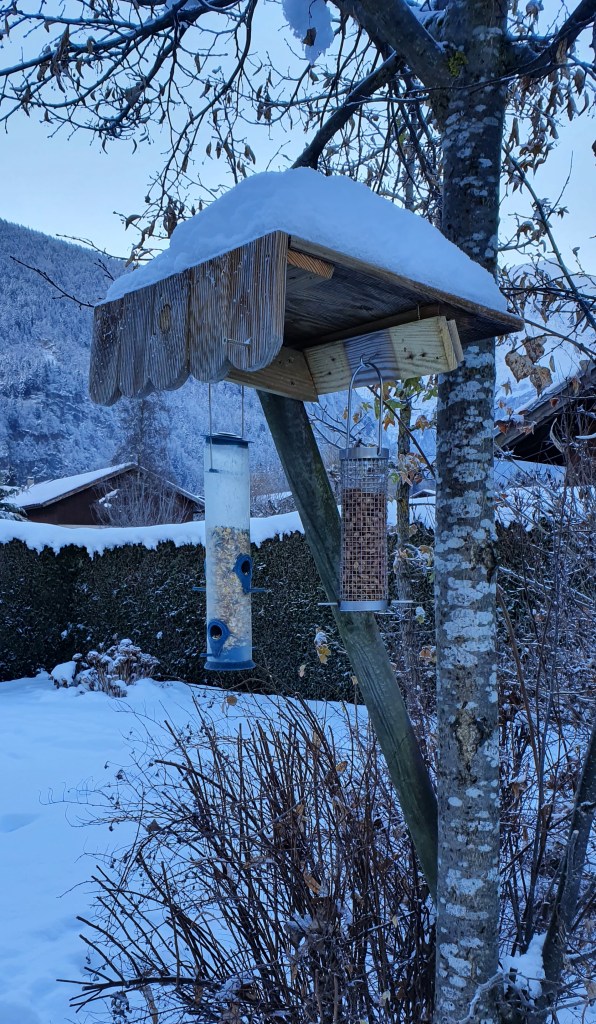
Don’t forget to put food out for the birds at this time of year. If you usually get small birds into your garden then you can continue to attract them all winter long with some bird feeders hung in the garden. You can buy suitable bird food from the garden centers, supermarkets and bricolage stores. Hung close to trees, so the birds have some cover to fly into it is a good spot or close to the house so you can enjoy watching them come to feed.